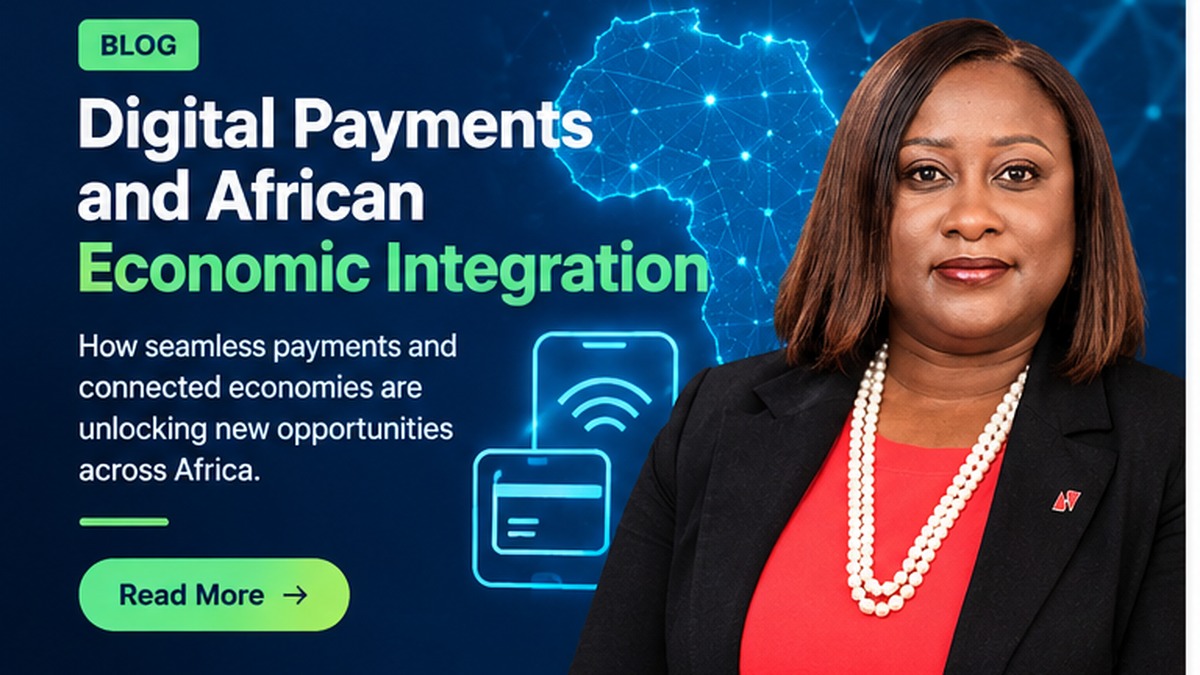
Africa’s economic future is closely connected to its ability to build stronger financial systems, improve trade and create opportunities for businesses and individuals across borders. Digital payments are becoming an important part of this transformation. Through mobile money, electronic banking, digital wallets and emerging financial technologies, individuals and businesses can access financial services in increasingly convenient ways. Beyond convenience, digital payments have the potential to strengthen economic integration by making transactions easier, supporting business growth and connecting African markets. ## The Growing Importance of Digital Payments Traditional payment processes can create challenges for businesses operating across different markets. Delays, high transaction costs, limited access to banking services and complex financial procedures can affect trade and business operations. Digital payment solutions offer opportunities to address some of these challenges. Mobile payment platforms, digital banking services and electronic transaction systems allow users to send, receive and manage money with greater convenience. For small businesses, these solutions can improve payment collection, support financial record-keeping and create opportunities to serve customers beyond their immediate locations. ## Connecting African Markets Through Financial Technology Economic integration depends on the ability of businesses and individuals to participate in regional and international markets. Digital financial infrastructure can support this process by improving the movement of money between countries. Initiatives such as the Pan-African Payment and Settlement System (PAPSS) demonstrate the importance of developing payment infrastructure that supports cross-border transactions within Africa. Such initiatives can contribute to reducing reliance on multiple intermediary currencies and improving the efficiency of intra-African trade payments. However, effective integration also requires collaboration between financial institutions, regulators, technology providers and governments. ## Financial Inclusion Through Digital Innovation One of the most significant opportunities presented by digital payments is the potential to expand financial inclusion. Individuals and small enterprises that have historically faced barriers to accessing traditional banking services can benefit from accessible digital financial solutions. When designed responsibly, these services can help users participate in the formal economy, receive payments, save money and access additional financial products. Financial inclusion must also address affordability, digital literacy, consumer protection and access to reliable internet and mobile services. ## Opportunities for African Businesses Digital payment infrastructure creates opportunities for businesses of different sizes. Small and medium-sized enterprises can benefit from: – Faster and more convenient payment collection. – Improved transaction records and financial visibility. – Access to customers in different markets. – Reduced dependence on cash-based transactions. – Opportunities to participate in digital commerce. For larger organizations, integrated payment systems can improve operational efficiency and support regional expansion. Addressing the Challenges Despite the opportunities, challenges remain. Differences in regulation, currency conversion, transaction fees, cybersecurity risks and uneven digital infrastructure can limit the effectiveness of cross-border payments. Building trust is equally important. Consumers and businesses need confidence that their financial information and transactions are protected. Continued investment in infrastructure, regulatory cooperation, innovation and consumer education will be essential. ## Conclusion Digital payments are more than a technological development. They are an important part of Africa’s economic transformation. By strengthening payment infrastructure, expanding financial inclusion and encouraging collaboration across markets, African countries can create an environment where businesses trade more efficiently and individuals participate more fully in economic activity. A more connected African economy requires financial systems that are accessible, secure, affordable and built to support growth across borders.
Digital Payments and African Economic Integration: Unlocking Opportunities Through Financial Innovation
Africa's economic future is closely connected to its ability to build stronger financial systems, improve trade and create opportunities for businesses and individuals across borders.