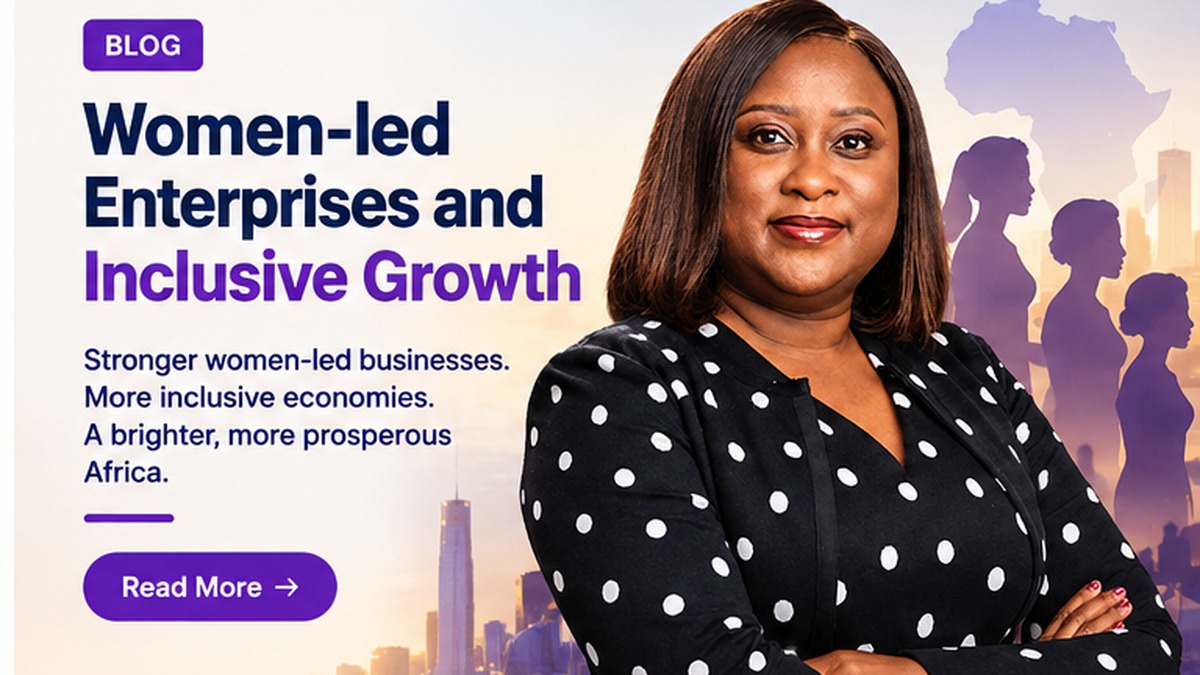
Women play an important role in Africa’s economic development as entrepreneurs, business owners, professionals, innovators and leaders. Across different sectors, women-led enterprises contribute to employment, innovation, household incomes and community development. Their participation is essential to building economies that create opportunities for a wider range of people. However, the growth of women-led businesses continues to be influenced by access to finance, markets, technology, business networks and leadership opportunities. Creating an environment where women-owned enterprises can thrive is therefore an important part of promoting inclusive economic growth. The Contribution of Women-Led Enterprises Women-led businesses contribute to economic activity in many ways. They create employment, provide essential goods and services, introduce new ideas and support the development of local communities. From small and medium-sized enterprises to established companies, women entrepreneurs are participating in industries including finance, agriculture, technology, manufacturing, retail and professional services. Supporting these businesses can strengthen economic participation and broaden the foundation for sustainable growth. Addressing Barriers to Business Growth Despite their contributions, women entrepreneurs may face challenges that affect their ability to establish and expand their businesses. These include: Limited access to affordable financing and investment. Restricted access to business networks and mentorship. Unequal opportunities in certain markets and industries. Limited access to technology and digital infrastructure. Challenges in accessing larger procurement and supply-chain opportunities. Addressing these barriers requires collaboration between financial institutions, governments, private-sector organisations and development partners. Improving Access to Finance Access to finance is a critical factor in business development. Women entrepreneurs need financial products that recognise the different stages of business growth, from starting a business to expanding operations and entering new markets. Financial institutions can contribute by developing accessible financing solutions, strengthening financial education and creating more inclusive approaches to evaluating business opportunities. Digital financial services can also help businesses manage payments, maintain transaction records and access a wider range of financial tools. Mentorship, Networks and Leadership Opportunities Financial support alone is not enough. Entrepreneurs also need knowledge, professional networks and opportunities to develop their leadership capabilities. Mentorship programmes, business development training and networking opportunities can help women entrepreneurs strengthen their management skills and build sustainable enterprises. Supporting women in leadership also creates opportunities for different perspectives to contribute to business decisions, innovation and organisational development. Building an Inclusive Business Environment Inclusive growth requires an environment where businesses have opportunities to compete, innovate and expand. Organisations can support this through inclusive procurement policies, supplier development programmes, equal access to professional opportunities and investment in entrepreneurship. Partnerships between established companies and women-led enterprises can also create opportunities for market access, knowledge sharing and business development. The Future of Women-Led Enterprises in Africa Africa’s economic transformation will benefit from the full participation of women across business and leadership. Creating stronger support systems for women entrepreneurs can contribute to employment creation, innovation and more resilient communities. The focus should go beyond celebrating women’s achievements. It should include practical action to improve access to resources, remove structural barriers and create sustainable opportunities for growth. Conclusion Women-led enterprises are an important part of Africa’s economic future. By improving access to finance, strengthening mentorship, expanding market opportunities and promoting inclusive leadership, stakeholders can help create an environment where more women-owned businesses can grow and succeed. Inclusive growth is not simply about increasing participation. It is about ensuring that opportunities, resources and economic benefits are accessible to a broader section of society.
Women-Led Enterprises and Inclusive Growth: Empowering Africa’s Economic Future
Women play an important role in Africa's economic development as entrepreneurs, business owners, professionals, innovators and leaders.