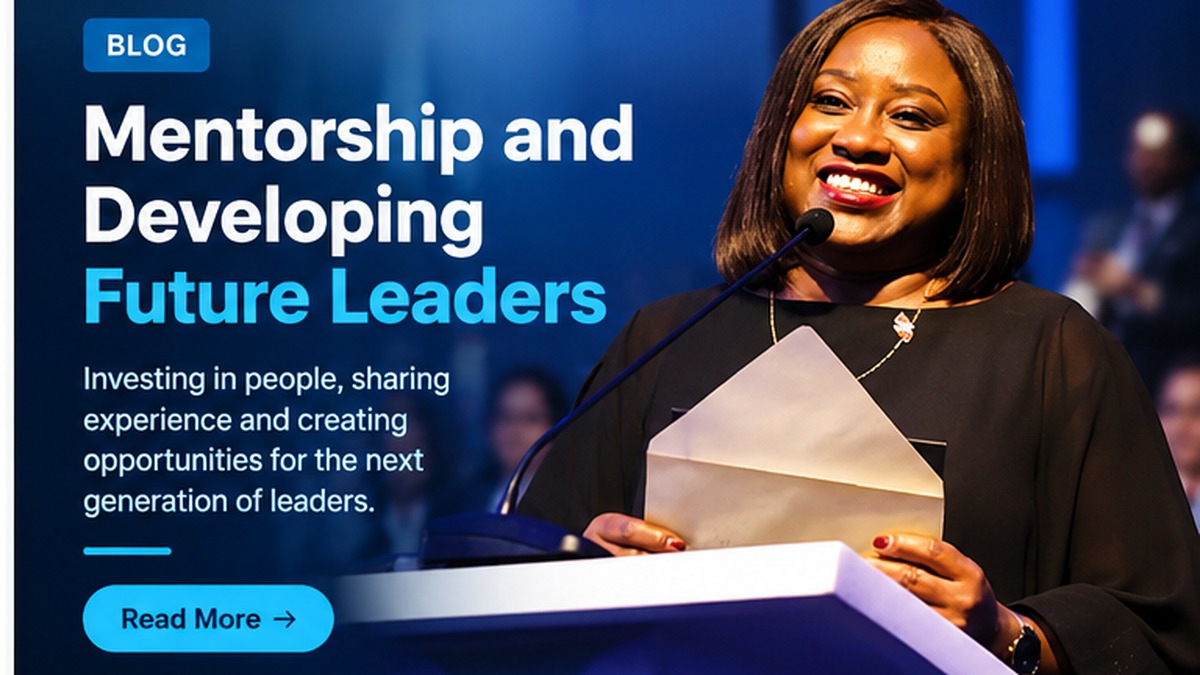
Investing in Africa’s Next Generation Leadership is not only measured by individual achievements. It is also reflected in the ability to inspire, guide and prepare others to take on greater responsibilities. Across Africa’s rapidly evolving business landscape, developing future leaders is essential for organizational continuity, innovation and sustainable growth. Mentorship provides an important opportunity to transfer knowledge, build confidence and equip emerging professionals with the skills needed to succeed. Why Mentorship Matters Every successful professional journey involves learning, challenges and opportunities for growth. Mentorship helps emerging professionals navigate these experiences by providing guidance from people with valuable knowledge and practical experience. A mentor can help a mentee identify strengths, recognize development areas, build professional confidence and make informed career decisions. Beyond career progression, mentorship encourages accountability, discipline and continuous learning. Creating Opportunities for Emerging Leaders Developing future leaders requires more than identifying talented individuals. Organizations must create opportunities for people to demonstrate their abilities and gain practical experience. This can include: Providing opportunities to lead projects and initiatives. Encouraging participation in strategic discussions. Offering professional training and development. Creating cross-functional learning opportunities. Providing constructive feedback and regular guidance. When emerging professionals are trusted with responsibility, they gain valuable experience and become better prepared for future leadership positions. The Role of Experienced Leaders Experienced leaders have an important responsibility to share knowledge and create pathways for others. This means being approachable, listening to different perspectives and recognizing potential in people who may not always have access to leadership opportunities. Effective mentorship is not about creating copies of existing leaders. It is about helping individuals discover their own leadership strengths and develop the confidence to use them. Building a Culture of Knowledge Sharing Mentorship should not be limited to formal programmes. Organizations can build a stronger learning culture by encouraging collaboration across departments, generations and professional backgrounds. Peer learning, leadership workshops, coaching and knowledge-sharing sessions can help employees develop new capabilities. Such initiatives also strengthen relationships within organizations and encourage a shared commitment to success. Developing Africa’s Next Generation of Leaders Africa needs leaders who are adaptable, innovative, ethical and capable of responding to complex challenges. Investing in young professionals, supporting women in leadership and creating inclusive development opportunities can help build a stronger leadership pipeline. The responsibility for developing future leaders belongs to organizations, institutions and experienced professionals working together. Conclusion Mentorship is an investment in people and in the future of organizations and communities. By sharing experience, creating opportunities and encouraging continuous development, today’s leaders can help prepare tomorrow’s decision-makers. True leadership is not only about reaching the top. It is also about creating opportunities for others to rise.
Mentorship and Developing Future Leaders: Investing in Africa’s Next Generation
Leadership is not only measured by individual achievements. It is also reflected in the ability to inspire, guide and prepare others to take on greater responsibilities.